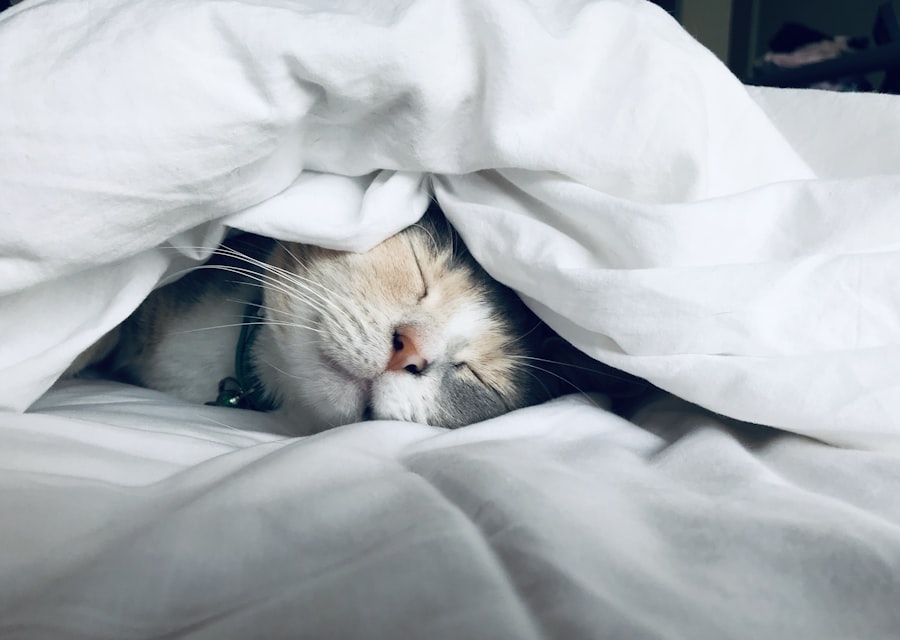
For years, "beauty sleep" sat in the same category as "feed a cold": folk wisdom, charming, unverified. Then researchers started actually checking, and the folk turned out to be right.
What happens to skin overnight
Skin runs on a circadian rhythm just as the rest of you does. Overnight, blood flow to the skin increases, cell division peaks, and repair processes get their longest uninterrupted window of the day. Growth hormone, released predominantly in deep sleep, drives much of this renovation work. Cut the night short and you cut the shift short.
The visible effects are not subtle. In controlled studies, observers consistently rate sleep-deprived faces as less healthy and less attractive, noting darker under-eye circles, paler skin and more visible fine lines after even a couple of short nights. Chronic poor sleep has been associated with increased signs of skin ageing and slower recovery of the skin barrier.
The cortisol problem
Short sleep raises cortisol, and cortisol is unhelpful almost everywhere in beauty: it degrades collagen, aggravates inflammatory conditions such as acne and eczema, and encourages the water retention behind morning puffiness. Many people who spend heavily on skincare for stress-related breakouts are, in effect, buying products to treat their bedtime.
None of this requires silk pillowcases or a mouth-taping habit, whatever your feed suggests. The unglamorous fundamentals carry nearly all of the benefit.
The industry cannot easily sell you sleep, which is precisely why you hear comparatively little about it. Consider this article the advert that no one paid for: go to bed.