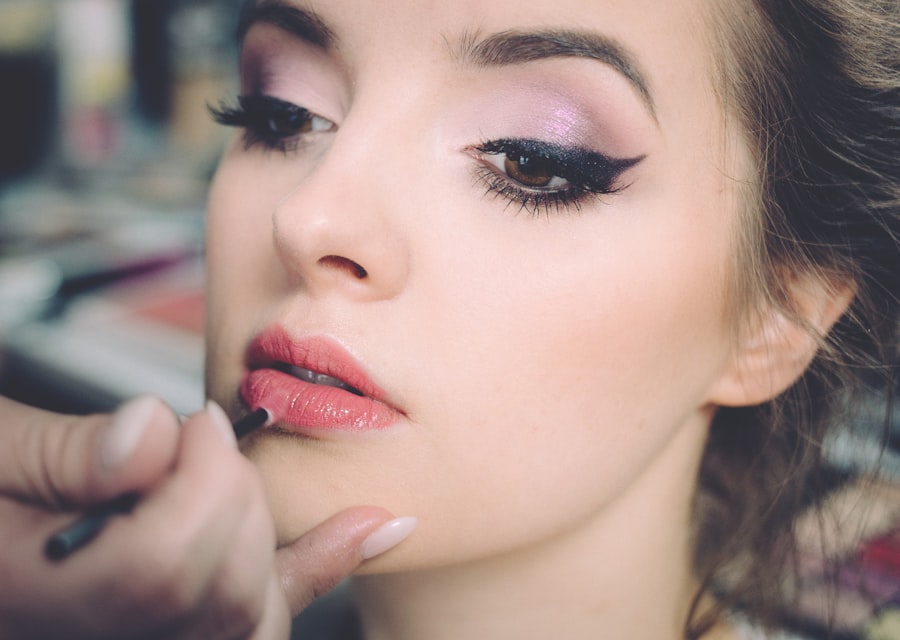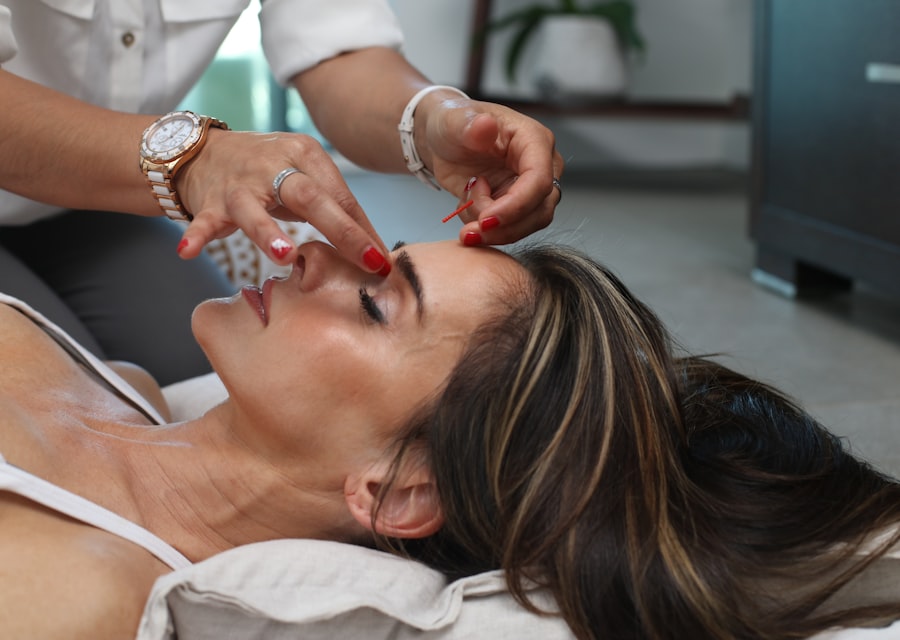
It started with dermatologists' offices, moved to boutique facial studios, and has now landed firmly on our bathroom shelves: the glowing red mask that promises firmer, clearer, younger-looking skin while you answer emails.
Red light therapy, or photobiomodulation if you want the term researchers use, involves exposing skin to specific wavelengths of red and near-infrared light, typically in the 600 to 900 nanometre range. The theory is that these wavelengths are absorbed by the mitochondria in your cells, nudging them to produce more energy, which in turn supports collagen production and repair.
What the research says
Here is the surprising part: the underlying science is fairly solid. Multiple controlled trials have found improvements in skin texture, fine lines and collagen density with consistent red light exposure. It is also used clinically for wound healing, and there is reasonable evidence for certain types of hair loss.
The catch is in the word consistent. The studies showing results generally involved sessions several times a week for two to three months, with devices of a known strength held at a known distance. That £40 mask used twice before migrating to a drawer is not replicating the protocol.
What to look for if you buy one
Power output matters more than the number of LEDs, and reputable brands will publish their irradiance figures. Wavelengths around 630 to 660nm target the skin's surface, while 810 to 850nm reach deeper tissue. A device offering both covers the most ground.
It will not replace sunscreen, retinoids or sleep, and anyone promising a facelift in a fortnight is selling something. But as a low-effort, low-risk addition to an existing routine, this is one trend the evidence quietly supports.
Just do not expect it to work from the drawer.