Every era of wellness has its organ of the moment, and this one belongs to the gut. Its microbiome, the trillions of bacteria resident in your digestive tract, has been linked in headlines to everything from mood to immunity to, increasingly, your skin.
Strip away the marketing and there is a genuinely interesting body of science underneath.
The gut-skin axis
Researchers have observed for decades that gut disorders and skin conditions travel together more often than chance would predict. People with inflammatory bowel conditions have higher rates of skin problems; rosacea has been repeatedly associated with small intestinal bacterial overgrowth. The proposed mechanism runs through the immune system: a disrupted gut microbiome can promote systemic low-grade inflammation, and inflammation shows up on skin as readily as anywhere else.
Small trials of specific probiotic strains have shown modest benefits for acne and eczema, and fibre-rich diets are consistently associated with better skin outcomes. Consistently associated is doing careful work in that sentence: association is not a prescription.
What actually helps
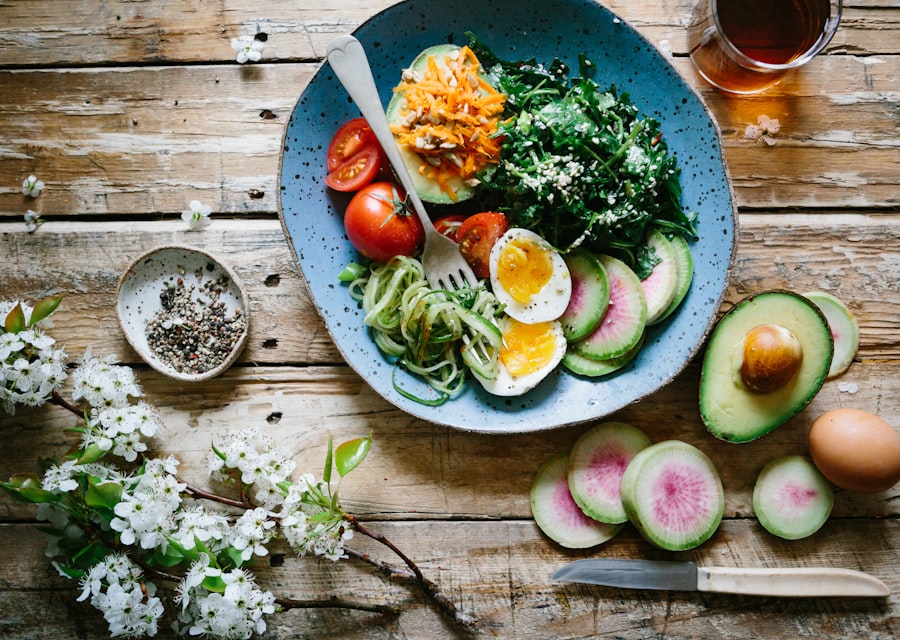
The strongest levers are boringly dietary. Fibre diversity beats any single supplement: the standard advice of thirty different plants a week, counting nuts, seeds, herbs and pulses, is a more evidence-aligned intervention than most products sold as gut-friendly. Fermented foods such as kefir, yoghurt and kimchi have decent supporting data for increasing microbiome diversity.
Be wary of anyone offering a microbiome test and a personalised supplement plan off the back of it; the testing science simply is not there yet, and the field's own researchers say so regularly.
Your gut is not a shortcut to glowing skin. It is one more reason to eat the way you already knew you should.